
 See My Latest Article on HelloNation
What Is Asphalt Sealcoating and Why Is It Used?
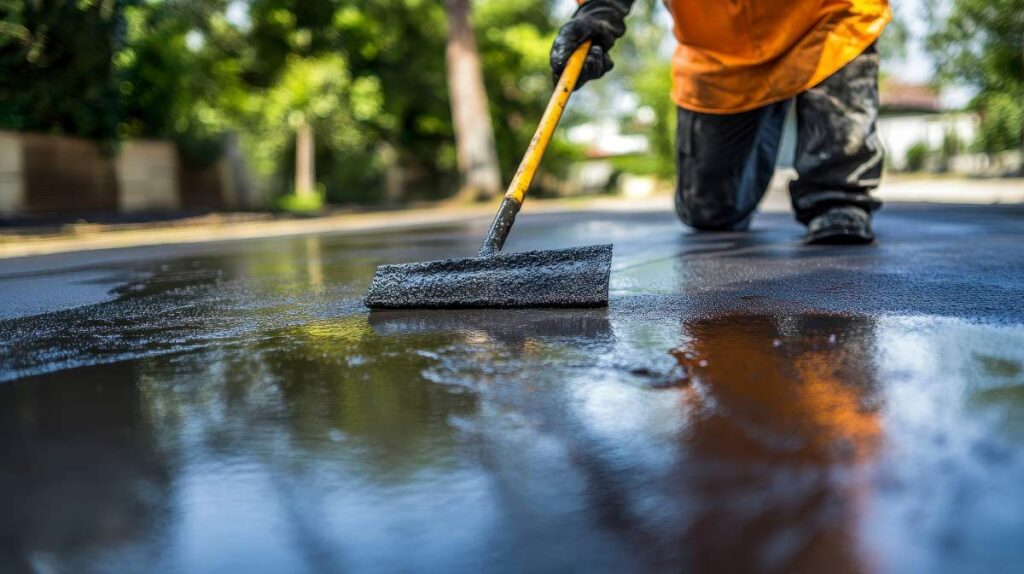
Sealcoating is a protective treatment applied to asphalt surfaces to help preserve their condition and extend their usable life. It acts as a barrier to elements that can damage pavement, such as water, sun, salt, and vehicle fluids.
Exposure to harsh winters and freeze-thaw cycles in Manchester, NH can quickly weather untreated driveways and parking lots. By sealing the surface, homeowners and property managers can reduce cracking, fading, and erosion. Sealcoating creates a smoother, darkened finish that can make maintenance easier and improve appearance during the warmer months.
How Does Sealcoating Protect Asphalt?
Sealcoating shields asphalt by forming a thin but durable layer over the surface. This layer helps in several ways:
- Blocks moisture from seeping into tiny cracks, slowing the freeze-thaw damage common in Manchester’s cold months.
- Screens out UV rays, reducing the brittleness and fading often caused by sunlight.
- Helps prevent automotive oil, gas, and salt from penetrating and breaking down the pavement binder.
- Fills hairline cracks and smooths minor surface roughness, which helps prevent further deterioration.
While sealcoating doesn’t repair major cracks or potholes, it serves as an effective preventative maintenance step.
How Often Should Driveways or Lots Be Sealcoated in Manchester, NH?
Most residential driveways in Manchester need resealing every two to four years, though this interval can vary. Factors influencing timing include local weather, vehicle traffic, and the age of the asphalt.
A few checkpoints to consider:
- Sealcoating too often can create a thick, brittle layer that may peel or flake.
- Waiting too long allows water and chemicals to penetrate, causing more severe (and costly) damage.
- Newly installed asphalt needs to cure for at least six months before the first sealcoat application.
In neighborhoods with mature trees or shaded driveways, moss and moisture buildup can speed up deterioration between sealcoating sessions, so adjust timing as needed.
What Should Residents Do to Prepare for Sealcoating?
Before sealing, homeowners should clear the area and address any repairs. Preparation often includes:
- Removing vehicles, planters, and any loose objects from the driveway.
- Power washing the surface to remove debris, dirt, and organic material.
- Filling in cracks or patching potholes with appropriate asphalt repair compounds.
- Ensuring dry weather in the short-term forecast, as effective sealcoating requires a clean, dry surface and moderate temperatures.
Manchester residents should also make sure to block access to the driveway for at least 24–48 hours to let the coating cure properly.
What Types of Sealcoating Products Are Commonly Used?
Two main types of products are available for residential use:
- Coal tar-based sealers: Durable and widely-used, but less common recently due to environmental restrictions in some regions.
- Asphalt-based sealers: More environmentally friendly, and chosen by many local suppliers, though often less resistant to certain chemicals.
Some products are mixed with polymers or sand for enhanced durability or texture. Always read product specifications carefully—there is no universal formula that suits every location or situation.
How Do Seasonal Conditions Affect Sealcoating in This Area?
Manchester’s climate poses unique timing considerations. Ideal sealcoating weather includes:
- Temperatures consistently above 50°F for at least 24 hours.
- No rain forecast for at least two days.
- Low to moderate humidity for even drying.
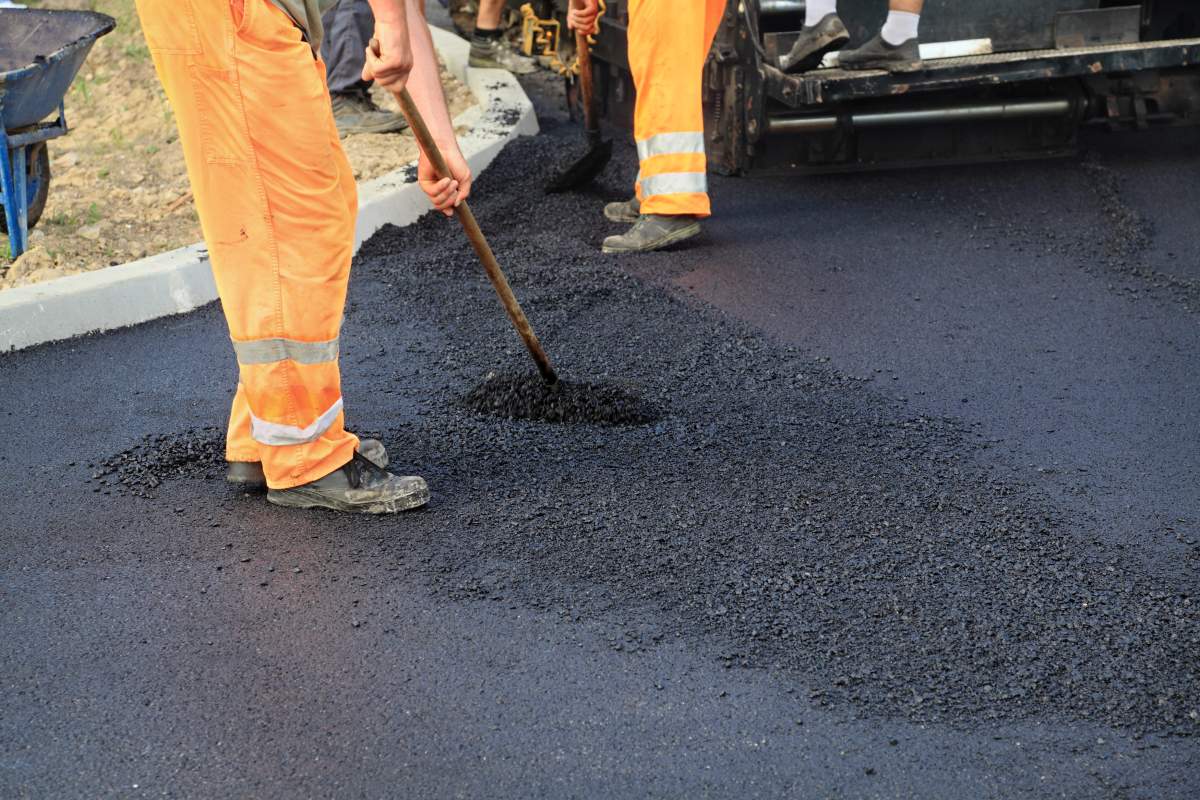
Local residents frequently plan this maintenance between late spring and early fall. Applying sealant in the cooler or wetter months can result in tacky, uneven layers or coatings that fail prematurely.
Are There Common Misconceptions About Sealcoating?
Many homeowners expect sealcoating to fix all types of pavement damage. In reality, it cannot repair deep cracks, potholes, or underlying asphalt issues. It is a cosmetic and protective treatment, not a structural repair.
Other misconceptions include:
- Thicker application is better: Applying too much sealant doesn’t provide extra protection; it often leads to peeling.
- Black color equals a strong surface: Fresh coating looks good but doesn’t indicate true pavement health beneath.
- DIY results are always equal to professional work: Thorough surface cleaning and careful application are critical—small mistakes can reduce effectiveness.
What Are the Practical Benefits for Homeowners Beyond Protection?
While prolonging pavement life is the main goal, sealcoating can provide additional positives for Manchester residents:
- Enhances curb appeal, making homes more attractive.
- Provides a smoother surface for shoveling snow during winter.
- Reduces dust and loose gravel accumulation.
- Makes routine cleaning (like sweeping or leaf blowing) simpler.
- Highlights parking lines if repainting is needed afterward.
Consider timing sealcoating projects to coordinate with other outdoor improvements for maximum visual impact.
How Does Sealcoating Fit Into Long-Term Asphalt Maintenance?
Sealcoating is most valuable when integrated with other regular upkeep tasks:
- Sweep pavement regularly to reduce debris buildup.
- Address minor cracks promptly to avoid water infiltration.
- Resurface or reconstruct severely damaged areas before applying a new sealcoat.
Consider documenting application dates and product types used, especially for shared or communal properties, to help predict future needs and budget accordingly. For many area households, a little preventative attention every few years provides reliable returns in appearance, safety, and reduced repairs.