
 See My Latest Article on HelloNation
How Often Should a Driveway Be Sealcoated in Manchester, NH?
Most paved driveways in Manchester, NH need sealcoating every two to three years. This timing helps keep pavement protected from the region’s freezing winters, wet springs, and UV-heavy summers. However, the actual schedule can vary based on driveway age, usage patterns, and local weather.
Why Is Sealcoating Essential in Manchester?
Sealcoating acts as a shield against water, salts, UV rays, oil stains, and damage from freeze-thaw cycles. In the Manchester area, winter can be especially tough on driveways. Water seeps into tiny cracks, then expands when frozen, often widening existing flaws. Sealcoating blocks this moisture intrusion and slows oxidation caused by harsh sun or road salt left behind after plowing.
Without regular sealing, residents may find:
- Surface cracks forming earlier and growing faster
- The asphalt fading or becoming brittle
- Potholes emerging after cycles of snow and thaw
What Is the Best Season to Sealcoat Locally?
The optimal window for sealcoating in the city is late spring through early fall. Temperatures should be consistently above 50°F and the pavement must be dry. In Manchester, that usually means anywhere from late April until mid-October. Attempting to seal during colder months or right before a rain increases the risk of the coating not curing properly.
Does Driveway Age or Condition Change the Frequency?
Yes. A brand-new driveway should “cure” for six months to a year before its first sealcoat. After the initial application, most driveways benefit from re-sealing every two to three years. However, these factors can influence timing:
- Heavily trafficked driveways may need more frequent attention
- Older or heavily cracked surfaces may require spot repairs in addition to routine sealing
- Recent repairs, overlays, or patching often benefit from sealcoating within 6–12 months
If a driveway is showing gray or faded color, visible cracks, or rough texture, it may be time to move the next sealing up by a season.
What Happens If You Wait Too Long to Sealcoat?
Delaying sealcoating by several years exposes the surface to Manchester’s weather extremes with fewer defenses. Residents waiting five or more years often notice:
- Asphalt turning gray and becoming more brittle
- Water absorption increasing, accelerating crack development
- Repairs becoming more expensive, and sometimes needing partial replacement
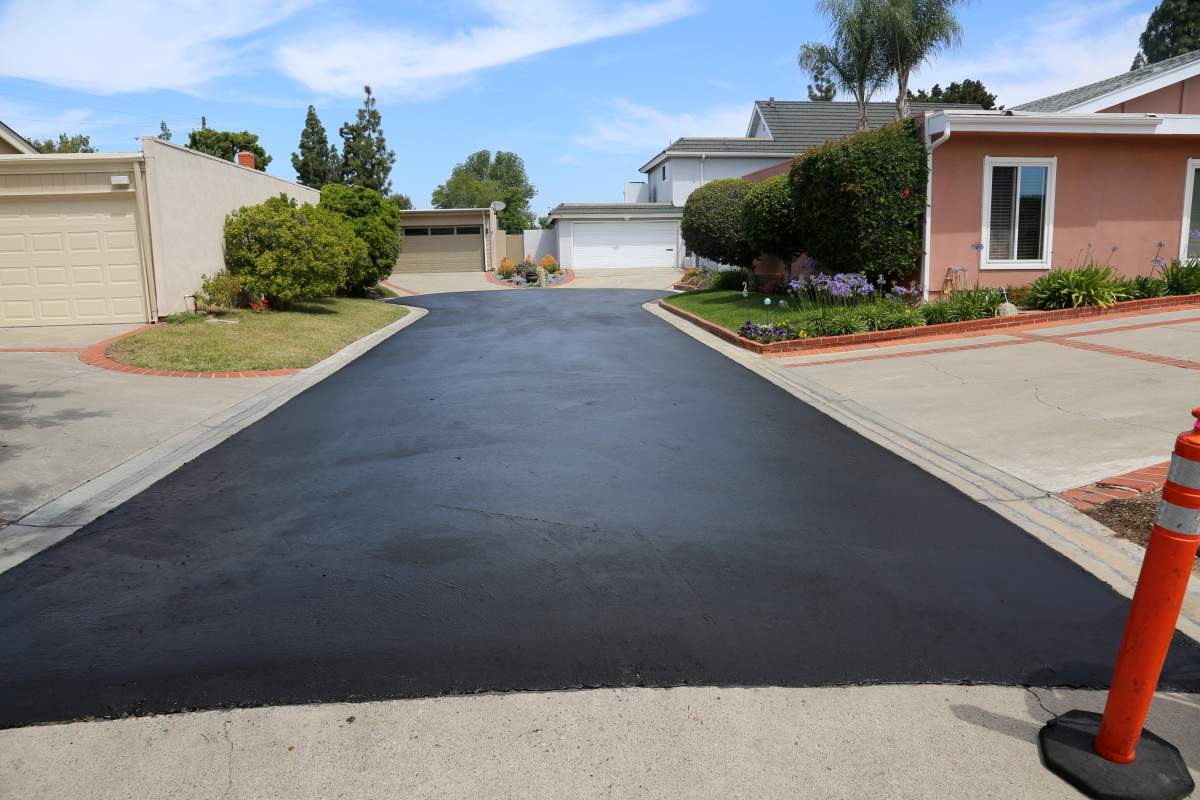
Routine sealing is generally less costly and less disruptive than having to repair or redo larger damaged areas.
Are There Risks to Sealcoating Too Often?
Yes. Applying sealant too frequently—such as every single year—can cause the surface to build up layers that may flake, peel, or prevent the underlying pavement from breathing. For nearly all area households, every two to three years strikes the best balance for protection and longevity. Sealing more often is only rarely needed for driveways exposed to unusually harsh use, like heavy trucks or lots of chemical spills.
Common Misconceptions
Some area homeowners think that sealcoating makes a driveway look like new, or that it’s purely cosmetic. While it does freshen appearance, its real benefit is in slowing wear and resisting structural damage. Another misconception is that more sealant applied more often means better protection. In reality, over-application creates problems of its own, trapping moisture and leading to surface issues.
Local Tips: Weather, Leaves, and Routine Care
In Manchester, windblown leaves and neighborhood pollen can stick to fresh sealcoat if not cleaned off early. Choose dry, relatively calm days for sealing, and keep foot and vehicle traffic off the driveway until it has fully cured—typically 24 to 48 hours during typical summer weather.
Keeping a driveway clean and filling larger cracks as soon as they’re spotted will also help the next round of sealcoating adhere well and last longer. A quick sweep after storms or in the fall will keep abrasive grit from wearing down the sealant prematurely.
How to Tell When It’s Time for Another Sealcoat
Look for these practical signs:
- The driveway color has faded or appears patchy
- Water stops beading on the surface after rain
- Small cracks are spreading, or debris collects in them
- Potholes begin to form
Using these markers and keeping to the two- to three-year guideline covers most Manchester driveways well.