

 See My Latest Article on HelloNation
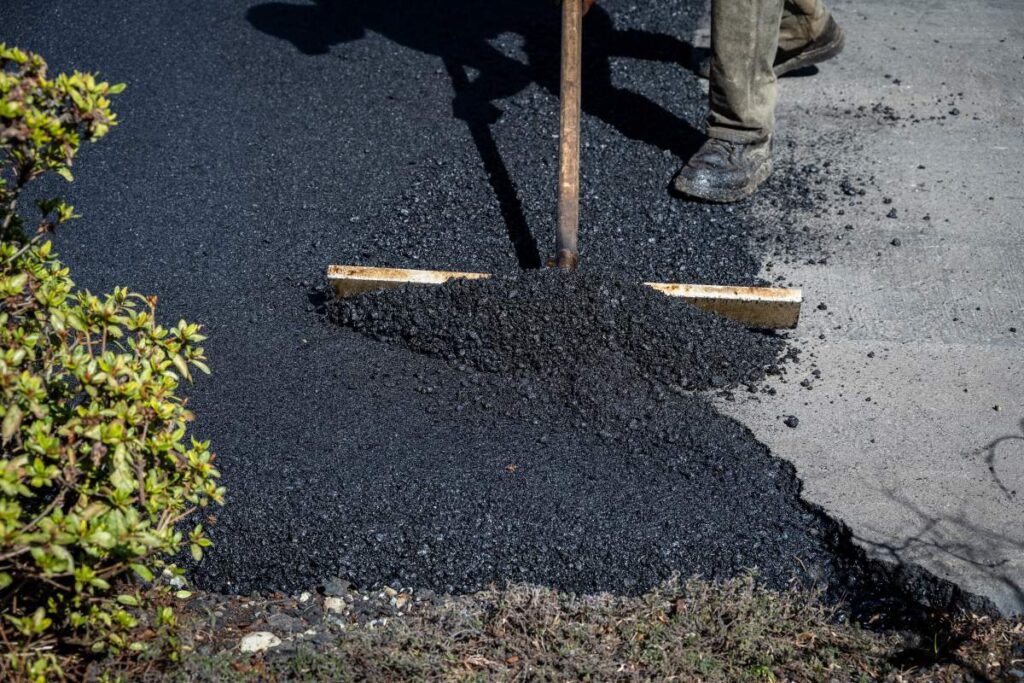
Asphalt driveways and walkways can be made more environmentally responsible through thoughtful design, recycled materials, careful maintenance, and better control of stormwater. For households in Manchester, NH, the most suitable approach also needs to withstand freeze-thaw cycles, snow removal, spring moisture, and the pressure created by repeated vehicle use.
Eco-friendly paving does not mean eliminating asphalt altogether. It means reducing waste, using materials efficiently, extending pavement life, and limiting avoidable runoff and heat.
What makes an asphalt driveway more eco-friendly?
A lower-impact asphalt surface usually combines recycled content, durable construction, efficient sizing, and maintenance practices that prevent early replacement. The environmental benefits often come from the entire life cycle rather than from one special material.
Useful strategies include:
- Reusing reclaimed asphalt pavement in a new mix
- Designing the driveway only as wide and long as household needs require
- Building a stable base so the surface lasts longer
- Directing runoff toward suitable landscaped areas
- Repairing cracks before water reaches the pavement foundation
- Avoiding unnecessary removal of sound pavement
- Reusing or recycling removed asphalt whenever possible
A driveway that lasts several additional years can avoid the material use, hauling, equipment operation, and waste associated with premature reconstruction.
Can recycled asphalt be used for residential paving?
Yes. Reclaimed asphalt pavement can be processed and incorporated into new asphalt mixtures or used as a base or temporary surface. The quality of recycled material depends on how it is processed, blended, compacted, and matched to the intended use.
Recycled asphalt is not automatically inferior. Properly produced pavement can perform well for residential driveways, parking areas, and access lanes. However, the recycled content should be considered alongside drainage, soil conditions, thickness, compaction, and expected traffic.
A recycled surface may be less suitable if it is poorly graded, contaminated, unevenly compacted, or installed over a weak foundation. The material itself is only one part of pavement performance.
Does porous asphalt work for residential driveways?
Porous asphalt can allow rainwater to pass through the pavement and into a stone reservoir beneath it. This can reduce surface runoff and help manage smaller rainfall events, but it is not appropriate for every property.
A porous design depends on:
- Soil that can absorb water at a workable rate
- Enough space below the pavement for drainage stone
- Protection from sediment and fine soil
- A layout that does not receive heavy sediment flow
- Adequate grading around buildings and foundations
- Regular inspection of nearby drainage areas
Manchester’s seasonal rain, snowmelt, and winter sanding practices can create maintenance challenges. Sand and sediment may clog the open structure if they are repeatedly washed onto the surface. Porous asphalt should therefore be considered as part of a complete drainage plan, not simply selected because it sounds environmentally beneficial.
A conventional asphalt driveway paired with carefully designed grading, vegetated edges, or a rain garden may provide a more practical result on some residential lots.
How can a driveway reduce stormwater runoff?
The driveway should move water away from structures while slowing or absorbing as much runoff as the property can safely manage. Paving alone cannot solve drainage problems caused by steep slopes, compacted soil, or undersized drainage routes.
Potential measures include:
- Using a narrower driveway where parking needs allow
- Adding vegetated strips along the pavement edges
- Keeping downspouts from discharging directly onto the driveway
- Directing runoff toward planted areas rather than neighboring property
- Using permeable sections for suitable walkways or parking extensions
- Maintaining clean drainage channels and surface inlets
Water should never be directed toward a basement entrance, foundation wall, septic area, or public roadway without considering the consequences. In winter, poor drainage can also create ice near walkways and vehicle paths.
Why does pavement thickness affect sustainability?
A pavement section that is too thin may crack, rut, or settle quickly, while an unnecessarily thick section uses more material than needed. The goal is a design matched to soil strength, drainage, traffic, and climate.
Residential driveways often experience more stress than expected. Delivery vehicles, moving trucks, trailers, recreational vehicles, and repeated turning movements can place concentrated loads on the surface. Freeze-thaw movement can worsen weaknesses in the base.
A well-prepared foundation is especially important. If water remains trapped below the asphalt, freezing can lift sections of pavement and thawing can leave voids or soft spots. Rebuilding only the top layer may provide limited benefit if the underlying problem remains.
Are asphalt millings an environmentally friendly choice?
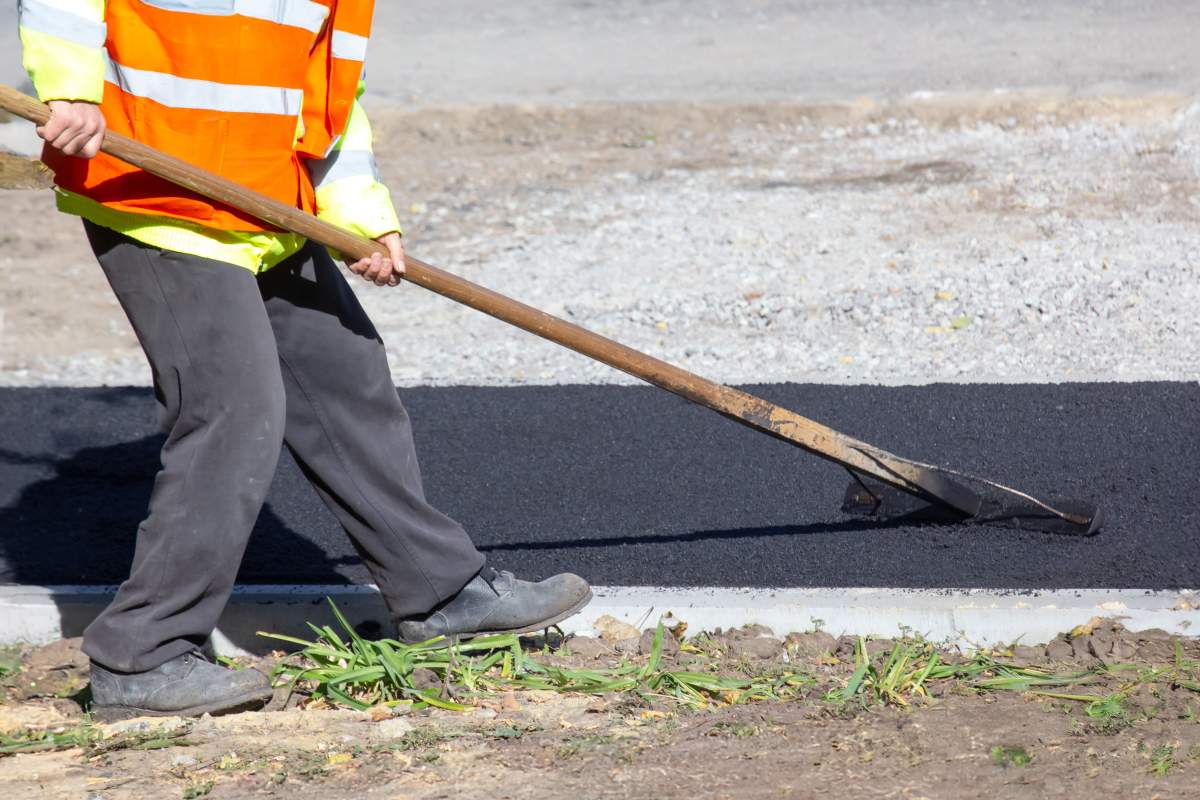
Asphalt millings are pieces of reclaimed pavement produced when an existing asphalt surface is removed or resurfaced. They may be useful for driveways, shoulders, temporary access routes, or low-speed areas, but they do not perform exactly like compacted hot-mix asphalt.
Millings can shift, rut, or become dusty if the surface is poorly graded or receives frequent turning traffic. They also need proper compaction and drainage. Their appearance and performance can change over time as traffic and weather affect the material.
For some properties, millings can reduce the need for newly quarried aggregate and keep usable pavement out of a disposal site. They should still be evaluated based on slope, soil, vehicle use, and the desired surface condition.
How does maintenance make asphalt more sustainable?
Maintenance is one of the simplest ways to lower the environmental cost of a paved surface. Small defects allow water to enter, and water is a major cause of pavement deterioration in cold climates.
Useful maintenance includes:
- Inspecting for cracks after winter and during wet seasons
- Sealing or repairing cracks before they widen
- Removing leaves, soil, and organic debris from pavement edges
- Keeping drainage paths open
- Avoiding heavy loads on softened or thawing areas
- Clearing snow without damaging pavement edges
- Addressing localized settlement before it spreads
Sealant should not be applied to damp, dirty, or deteriorated pavement. It also cannot repair a failing base. Applying surface products too frequently can create its own material waste and may produce a slippery surface if the pavement is not properly prepared.
Can lighter-colored pavement reduce heat?
Traditional asphalt absorbs solar energy and can become hot during summer. A lighter surface or a design that includes shaded planting may reduce surface temperatures, although color alone does not determine the environmental performance of a driveway.
Trees and planted borders can provide shade, intercept rainfall, and improve the appearance of paved areas. Their roots should be kept far enough from the pavement and foundation to avoid lifting or structural conflicts. Salt exposure, snow storage, and winter plowing also need to be considered when choosing planting locations.
What should Manchester households consider before paving?
The most sustainable option is usually the one that fits the property’s actual conditions. Before changing a driveway, consider:
- Whether the existing pavement can be repaired instead of removed
- Where snow will be stored during winter
- How meltwater will drain in spring
- Whether the soil stays wet after rainfall
- How many vehicles use the area and how they turn
- Whether emergency or delivery access must be maintained
- Whether local permits, setbacks, drainage rules, or property restrictions apply
A smaller, well-drained driveway that is maintained regularly may have a lower overall impact than a larger installation built with recycled material but replaced frequently. Environmental performance depends on durability, water management, material recovery, and sensible design working together.