
 See My Latest Article on HelloNation
What’s the Difference Between Asphalt Resurfacing and Replacement?
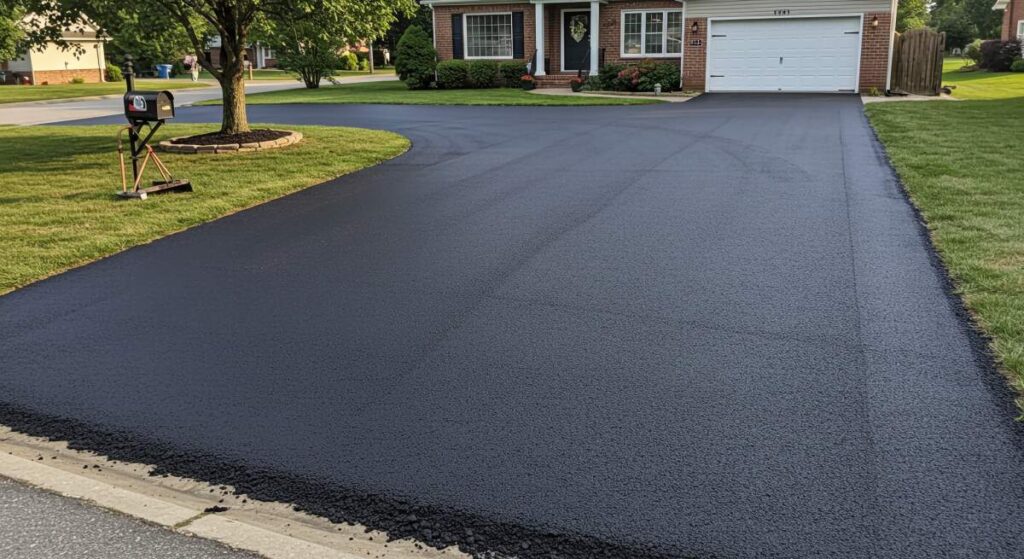
Asphalt resurfacing covers old pavement with a new layer, while replacement means removing and rebuilding all layers. Both address common driveway and asphalt issues in Manchester, NH, but each solution fits different conditions and budgets.
Resurfacing (sometimes called overlaying) installs a new, thin layer of asphalt over the existing surface, as long as the base below is stable and undamaged. Replacement involves excavating old asphalt and rebuilding the pavement structure from the ground up, which is necessary when severe damage or base issues are present.
When Does Resurfacing Make Sense for Local Driveways and Roads?
Resurfacing is suitable when the underlying structure is intact but the top layer shows moderate wear. In the city, residents often opt for resurfacing if they see:
- Cracking limited to surface layers
- Fading, weathered appearance without deep holes
- Mild pitting or surface roughness
A resurfaced driveway or parking lot generally looks and performs like new for several years. The process is much faster and less disruptive—typically just a day or two for a single-family driveway. This helps area households avoid long stretches without access, especially important in neighborhoods with limited street parking.
However, resurfacing covers surface problems and won’t address deep structural issues. If the freeze-thaw cycle has shifted the base, for example, new cracks will appear quickly, even after resurfacing.
What Conditions Require Full Asphalt Replacement?
Complete replacement is needed when the underlying base is unstable or the pavement is failing badly. In Manchester, older driveways exposed to repeated frost heaves, long-term water intrusion, or poor drainage can develop problems that resurfacing cannot repair, such as:
- Deep potholes that expose gravel or dirt
- Widespread “alligator” cracking (interconnected, web-like fractures)
- Major sinking or rutting that doesn’t go away with patching
- Persistent water pooling after rain
Replacement involves excavating all old material, repairing or improving the gravel base, and then paving new asphalt layers. It is more expensive and time-consuming but ensures long-lasting results and greater stability, especially on properties where the original sub-base was not well prepared.
How Does Manchester’s Climate Impact These Choices?
The region’s freeze-thaw cycles put seasonal pressure on pavement. Water can seep into cracks, freeze, and expand, widening damage—especially on surfaces with an inadequate base. This means even small cracks or shallow potholes may worsen each winter.
Resurfacing is more effective just after frost season and before major weather changes. The city’s plowing, sanding, and salt during the winter can stress paved surfaces, so many local households find that small cracks or dents deepen by spring, highlighting whether a simple resurfacing or a total rebuild is required.
How Can You Tell Which Solution Is Appropriate?
The decision comes down to depth and spread of damage, base condition, and age of pavement:
- Surfacing fixes — like patching holes, smoothing minor cracks, or adding thin overlays — work only if the base is strong, level, and not waterlogged.
- If entire sections are crumbling or sunken, or if surface fixes repeatedly fail, replacement may be necessary.
- Local driveways or lots over 15-20 years old are more likely to need rebuilding, especially if pavement repairs don’t last or damage reappears soon after resurfacing.
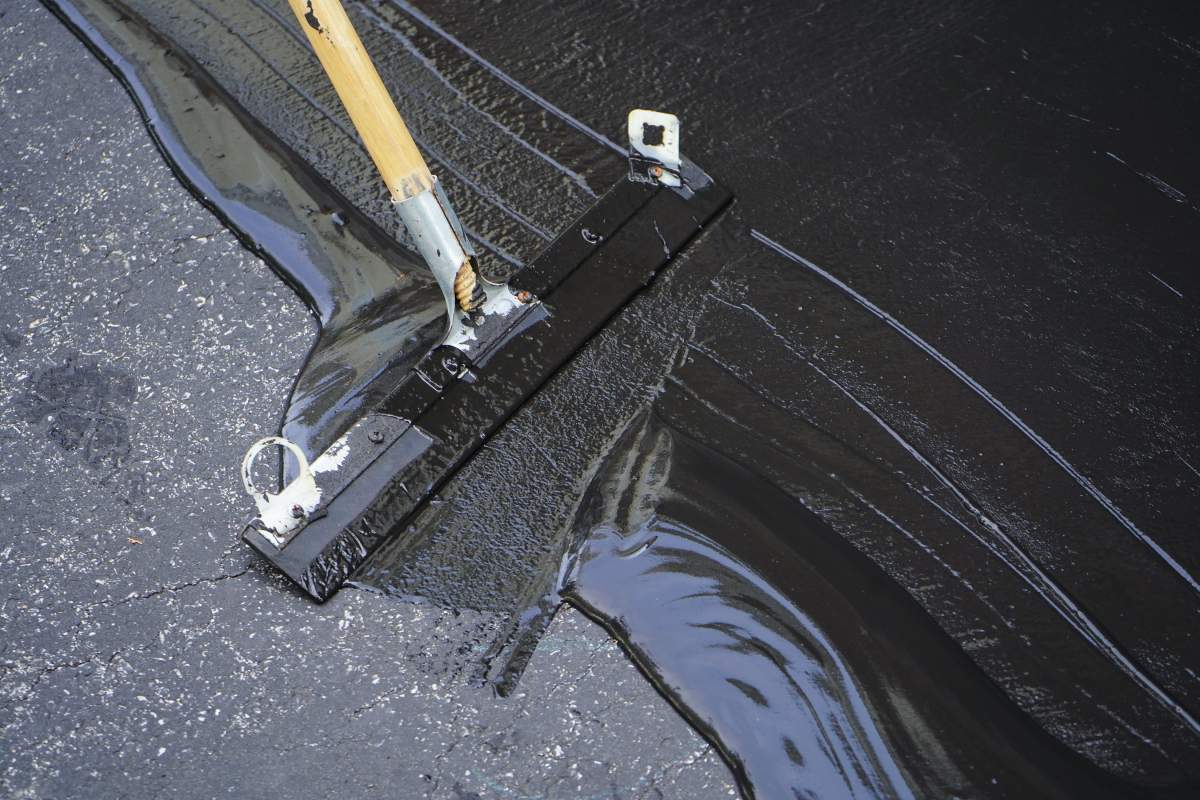
A simple test: if you can push a screwdriver or thin rod through cracks and deep into the gravel, the base may be compromised. In these cases, overlaying won’t last, and further repairs could waste money.
Are There Common Misconceptions About These Methods?
Many area residents believe resurfacing can fix any visual flaw. However, overlaying fresh asphalt on an unsound base can lead to repeated cracking and wasted investment. Another misconception is that all potholes require complete removal—but shallow, isolated spots can sometimes be fixed with patching if the overall structure is good.
Some think asphalt can always be resurfaced repeatedly, but each extra layer adds weight, which may worsen uneven settling over time and lead to more dramatic failures.
What Are the Expected Lifespans?
Resurfacing typically extends the useful life of an asphalt surface by 8–12 years, provided the base is solid. Full replacement can last 20–30 years or more with careful installation and regular maintenance.
Manchester’s seasonal shifts make maintenance—crack filling, patching, and sealing—important for getting the most out of either method.
How Do Local Regulations and Practical Considerations Come Into Play?
Driveway and curb cut regulations, as well as stormwater management rules, can affect what repairs are authorized. For example, major projects may require a permit, especially if they change the elevation or drainage pattern. Conducting work during dry, warm weather is usually required to ensure strong pavement bonds.
Residents in the city’s older neighborhoods may also encounter unique challenges, such as narrow access, high-density street parking, or proximity to sidewalks, which can influence the extent of disturbance during major repairs.
What Other Factors Are Easy to Overlook?
Proper drainage is essential—a resurfaced or replaced driveway that doesn’t shed water properly will develop problems faster. Tree roots, shade, and nearby construction also affect pavement stability over time.
Reusing portions of a base or regrading the underlying gravel can save on costs and materials if the existing structure is stable. Understanding these less-visible aspects often leads to more sustainable and lasting repairs, especially important where repeated freeze-thaw cycles are the norm.