
 See My Latest Article on HelloNation
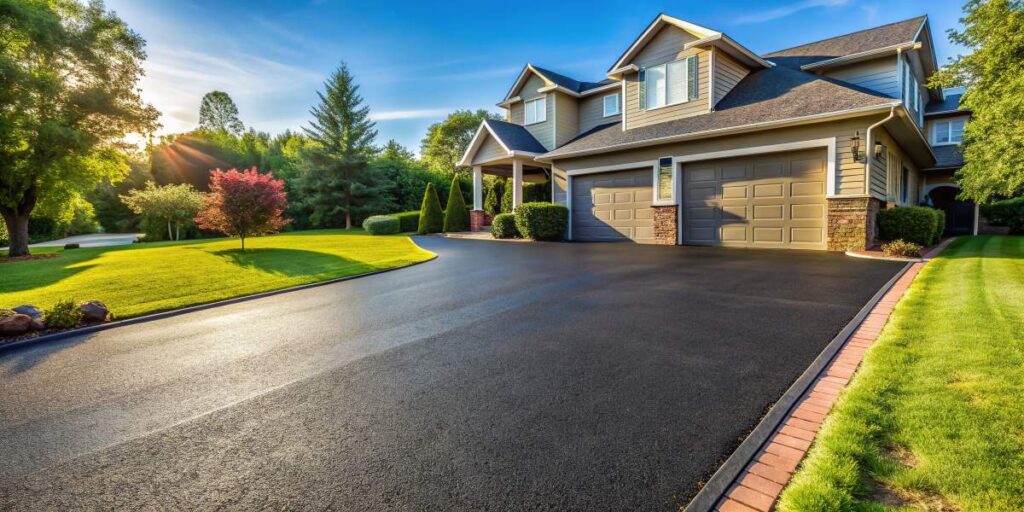
How Long Does Asphalt Typically Last in Manchester, NH?
Most asphalt surfaces in Manchester, NH can last between 15 and 25 years before needing major repairs or replacement. The actual lifespan depends on several factors, including local climate, installation quality, ongoing maintenance, and how much traffic or weight the surface endures.
Freezing winters, spring thaws, and summertime heat cycles are common in the region and contribute to gradual wear. Residential driveways, lightly used roadways, and parking areas in the city tend to experience longer lifespans than high-traffic routes or areas exposed to heavy vehicles.
What Causes Asphalt to Age and Deteriorate Here?
Asphalt surfaces break down over time due to a combination of natural and human-made forces. Key influences in the area include:
- Freeze-thaw cycles: Winter freezes followed by spring thaws can cause cracking, as water seeps into tiny asphalt pores and expands when frozen.
- UV exposure: Prolonged sunlight can dry out asphalt binders, making surfaces brittle.
- Water infiltration: Poor drainage or standing water accelerates erosion of the underlying base, leading to potholes or surface ruts.
- Traffic stress: Heavier vehicles and frequent use compress and gradually weaken the structure, especially on driveways or surfaces not engineered for heavy loads.
- Chemical exposure: Salt, de-icers, and automotive fluids can break down asphalt, especially near busy driveways or parking areas.
Regular sweeping, proper drainage, and sealing can all slow down these processes, but some degree of aging is inevitable in the city’s climate.
How Does Local Climate Impact Asphalt Lifespan?
The Manchester climate—marked by snowy winters, spring melt, and warm summers—has a distinct impact on asphalt durability. Early spring is especially hard on pavement, as rapid temperature shifts expand tiny cracks and allow moisture deeper into the pavement’s base. Areas shaded by trees or buildings may stay icy or wet for longer, leading to localized deterioration. Conversely, spots exposed to direct sunlight can dry out and become brittle.
Seasonal road maintenance, such as crack filling or patching, is common during the spring and fall as streets are most vulnerable during those transition periods. Homeowners who clear snow promptly and redirect gutter downspouts away from paved surfaces often see better driveway performance as a result.
Is Asphalt Maintenance Worthwhile for Maximizing Lifespan?
Regular care can extend the life of asphalt by several years. Simple preventative steps include:
- Clearing leaves, dirt, and debris to prevent moisture retention
- Routinely checking for cracks, especially after winter, and filling them before they spread
- Applying a quality sealcoat every few years, particularly for driveways
- Ensuring good drainage so water does not pool or erode pavement edges
Neglecting asphalt in the region’s climate will almost always lead to a shorter useful life. Many residents find that consistent, small maintenance efforts can nearly double the functional lifespan of a driveway compared to one left untreated.
What Are the Signs Asphalt Needs Attention or Replacement?
Residents can watch for key indicators that a paved surface is failing beyond basic maintenance:
- Multiple, spreading cracks forming a web pattern (“alligator cracking”)
- Large or recurring potholes
- Severe fading, raveling (loose gravel appearing), or surface unraveling
- Significant drainage problems or water pooling
- Unlevel sections that create trip hazards
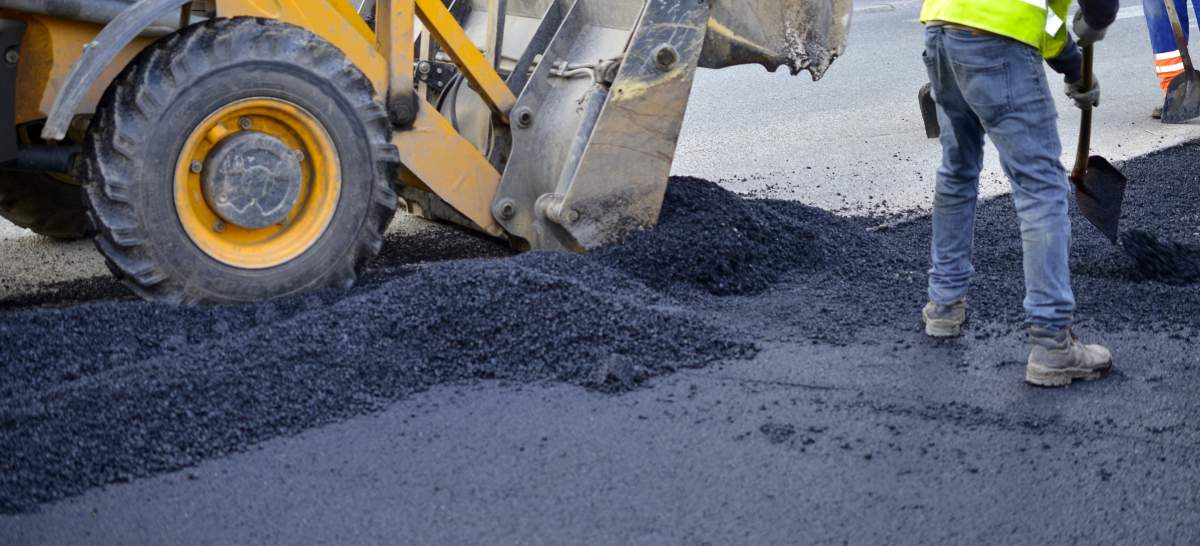
Most small cracks, isolated holes, or faded areas can be repaired if caught early. When large areas exhibit these signs, especially if the base layer is failing, more substantial surfacing or full replacement may be needed.
Are There Misconceptions About Asphalt Lifespan Locally?
A common belief in the community is that all driveways or parking lots should last 30 years or more. In reality, local conditions mean most surfaces show visible signs of aging by 15–20 years, especially without frequent maintenance. Another misconception is that resurfacing always restores an asphalt surface “like new”—in fact, if the base has been compromised by water or settlement, resurfacing alone may not fix underlying issues.
It’s also sometimes assumed that thicker asphalt means a longer life regardless of use, but what matters most is a well-compacted, well-drained base. Simply adding more asphalt over failing material rarely produces good results in the region.
What Practical Steps Can Manchester Residents Take?
Residents who want to preserve their asphalt investment for as long as possible can focus on a few core habits:
- Clear snow soon after storms to prevent ice bonding
- Keep an eye on surface runoff and make small drainage improvements if water often stands on the pavement
- Fill small cracks as soon as they appear, using products rated for the local climate
- Limit heavy, stationary loads (like dumpsters or trailers) on residential driveways, and move them regularly when possible
Staying ahead of minor repairs and keeping surfaces clean make a surprising difference in lifespan, especially for homes located on sloped lots or near wooded areas where leaves and water can accumulate.
When Does Asphalt Replacement Become the Best Option?
There comes a point where repairs and maintenance are no longer cost-effective or practical. For most area homeowners, this is when:
- Cracking is widespread and can’t be controlled with simple filling
- The underlying base is soft or visibly sinking in places
- Drainage cannot be improved without lifting or rebuilding the paved area
- The surface feels rough, loose, or uneven in multiple spots, presenting safety or accessibility concerns
At that stage, full replacement, including base repair or reconstruction, is often considered the best path forward for long-term performance and safety.