

 See My Latest Article on HelloNation
How Does Weather Affect Asphalt Pavement Throughout the Year?
Weather is one of the biggest factors influencing the lifespan and performance of asphalt pavement in Manchester, NH. Seasonal cycles, especially the area’s cold winters and warm summers, cause asphalt to expand and contract. This repeated movement, when combined with water infiltration and freeze-thaw cycles, leads to cracks, potholes, and surface aging. Residents often notice more pavement problems after a tough winter, and local roads and driveways may show visible wear from season to season.
What Role Does Temperature Play in Pavement Durability?
Temperature swings in the region directly shape how asphalt behaves. In hot summers, asphalt becomes softer, especially in spots with heavy sun exposure. When it softens, heavy vehicles or sharp turns can cause indentation or scuffing, which some people notice as surface ruts or pushed asphalt near intersections and driveways. Conversely, in cold snaps, asphalt firms up and becomes more brittle. Even new surfaces are more prone to crack in subfreezing stretches, especially if there’s underlying moisture.
It’s not unusual to see fresh cracks appear in driveways or parking lots after a week of below-zero temperatures followed by a sunny thaw. The change can be abrupt enough to catch some homeowners by surprise.
Why Are Freeze-Thaw Cycles a Challenge for Pavement in the Area?
A typical Manchester winter brings multiple freeze-thaw cycles. When temperatures fluctuate around the freezing point, water can seep into small cracks in the pavement. As this water freezes, it expands, widening cracks further. When the ice melts, the space remains, allowing more water to enter and repeat the process.
What’s distinctive in the city is the frequency of freeze and thaw events within short periods, which amplifies the damage. Pavement that may look fine in early winter can develop pronounced cracks and even potholes by early spring. Those living near busy intersections or where drainage is poor often see this cycle accelerate pavement wear.
How Does Rain and Moisture Affect Asphalt Surfaces?
Moisture is essential in understanding local pavement issues. When rain or snowmelt seeps into asphalt, even small openings can become weak points. Water under the surface may erode the underlying layers, creating soft spots that turn into depressions or potholes. During periods of frequent rainfall or rapid melting in late winter, stormwater runoff can also wash away fine particles in older pavement, leading to surface erosion.
Driveways shaded by trees or bordered by yard landscaping may hold moisture longer, so property owners sometimes notice moss or algae growth and localized cracking in these spots first.
Are There Specific Weather Patterns That Cause Sudden Damage?
Certain weather events are more likely to cause abrupt problems. For example:
- Prolonged rain followed by an immediate drop below freezing often causes "popping" cracks and heaving.
- A fast spring thaw combined with rain may lead to standing water or ponding, which weakens pavement.
- Intense summer sun after rainfall can dry out asphalt surface oils, causing it to appear gray and brittle.
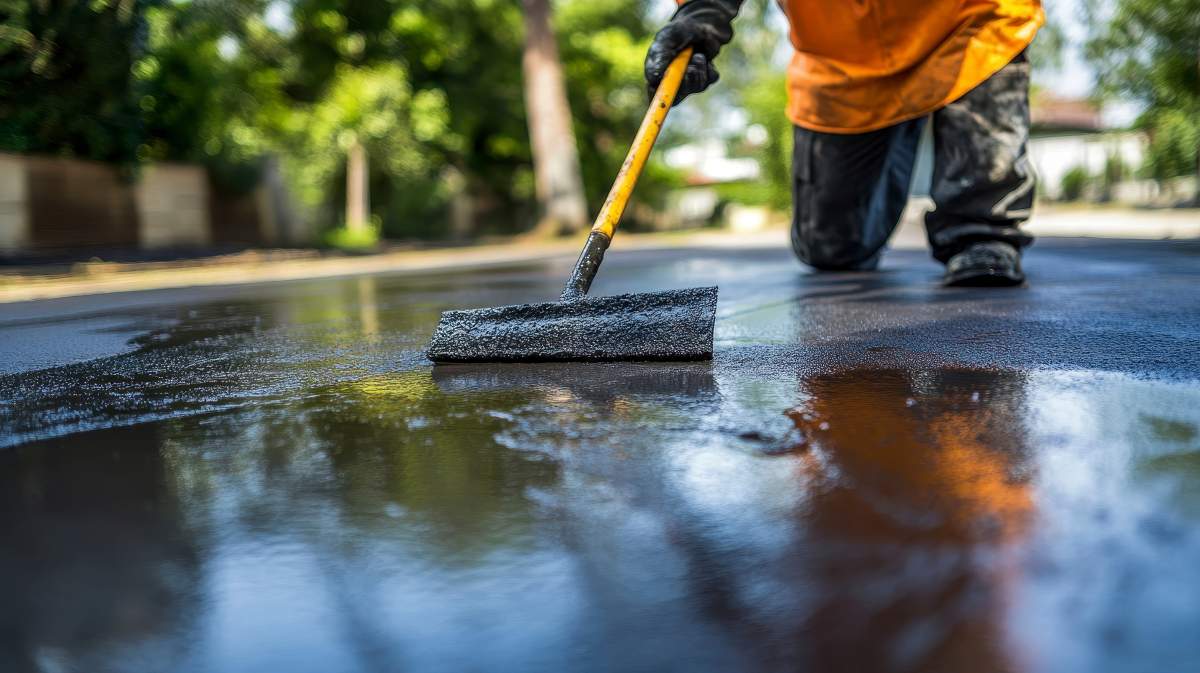
Residents sometimes assume that ongoing light use will protect a driveway, but even lightly used areas are affected when water collects and temperatures fluctuate rapidly.
How Can Households Limit Weather-Related Asphalt Damage?
While it’s impossible to control the weather, local residents can take small steps to slow weather-related wear. Keeping pavement clear of snow and debris ensures better drainage, reducing water infiltration. Addressing drainage near downspouts, walkways, or low areas helps as well. Filling small cracks early, especially before winter, prevents water from penetrating deeper as the seasons change.
Homeowners sometimes overlook the effects of shading and overhanging tree limbs. Regularly clearing leaves and trimming branches to allow sunlight can reduce moisture retention, especially on north-facing drives.
Common Misconceptions About Pavement and Weather
Some people assume newer asphalt is immune from damage, but even fresh surfaces can crack if laid shortly before a freeze or if inadequate drainage exists. Another misconception is that only major storms cause damage, while in reality, numerous small freeze-thaw cycles can be more destructive over a season than a single harsh event.
It’s important to know that visible damage may lag behind the actual cause—what looks like sudden cracking in spring often starts with small, invisible shifts during the winter months.